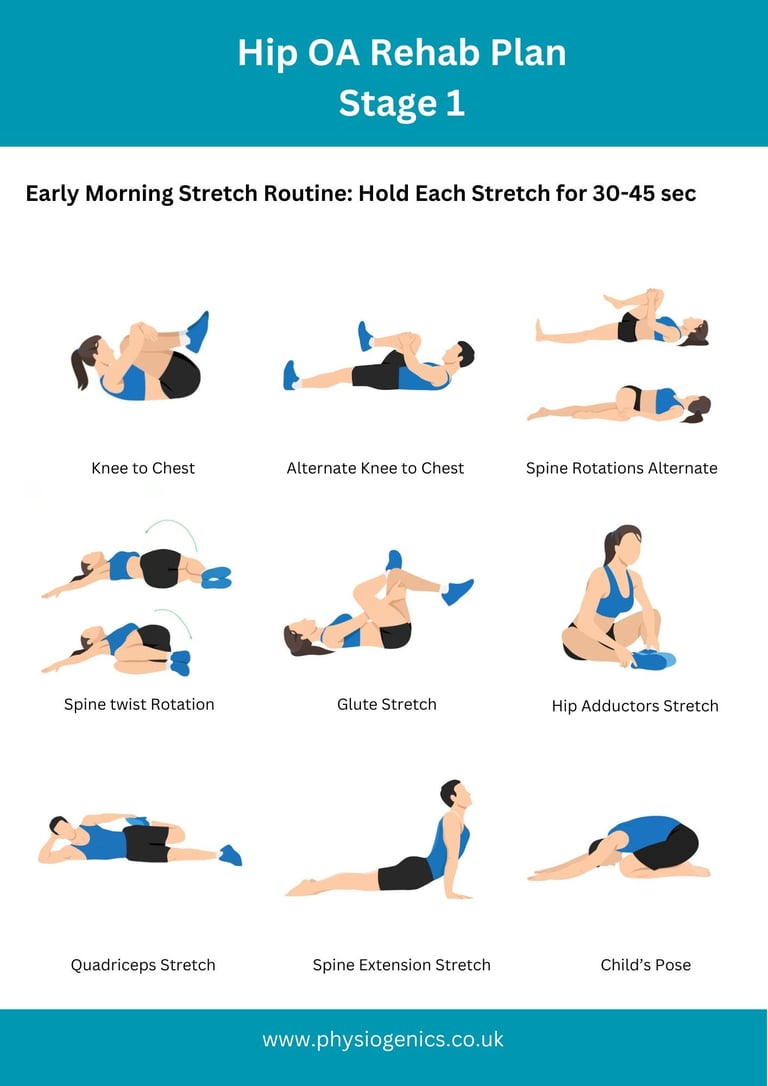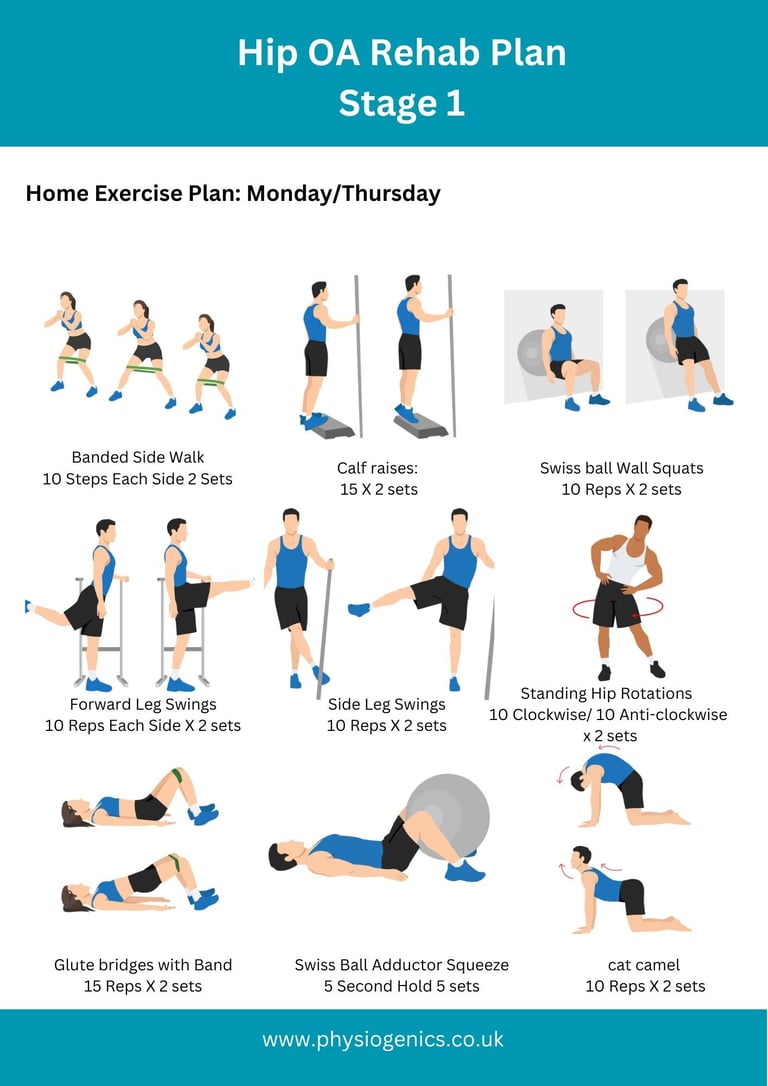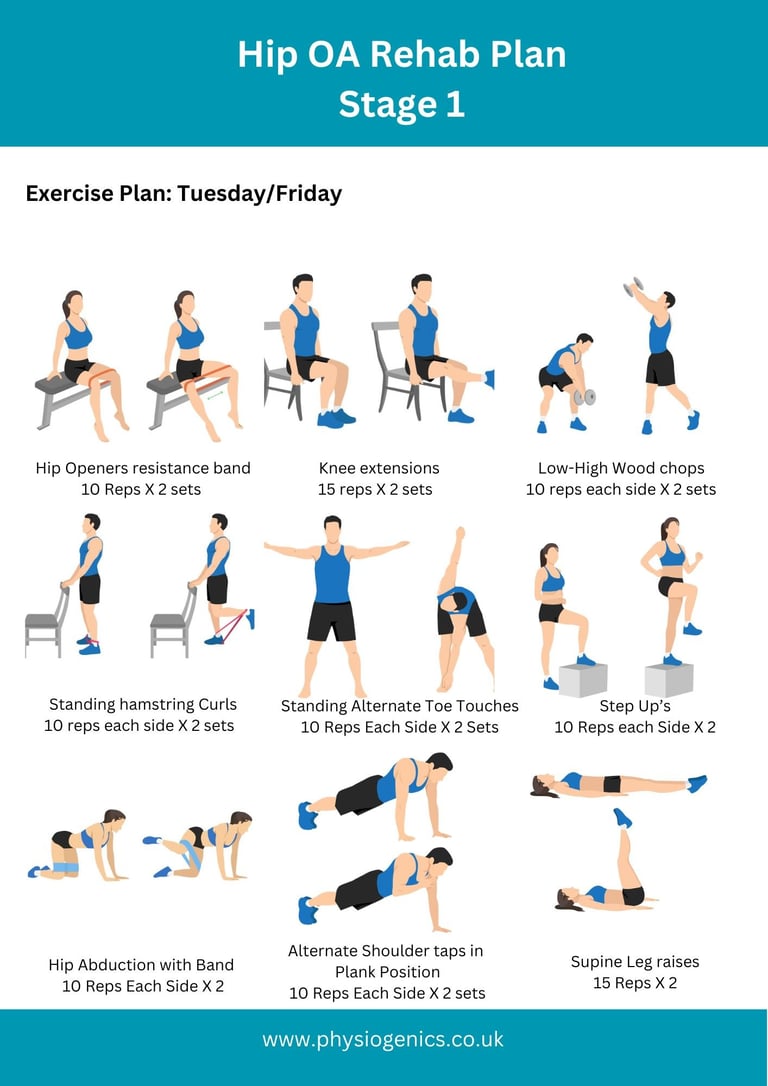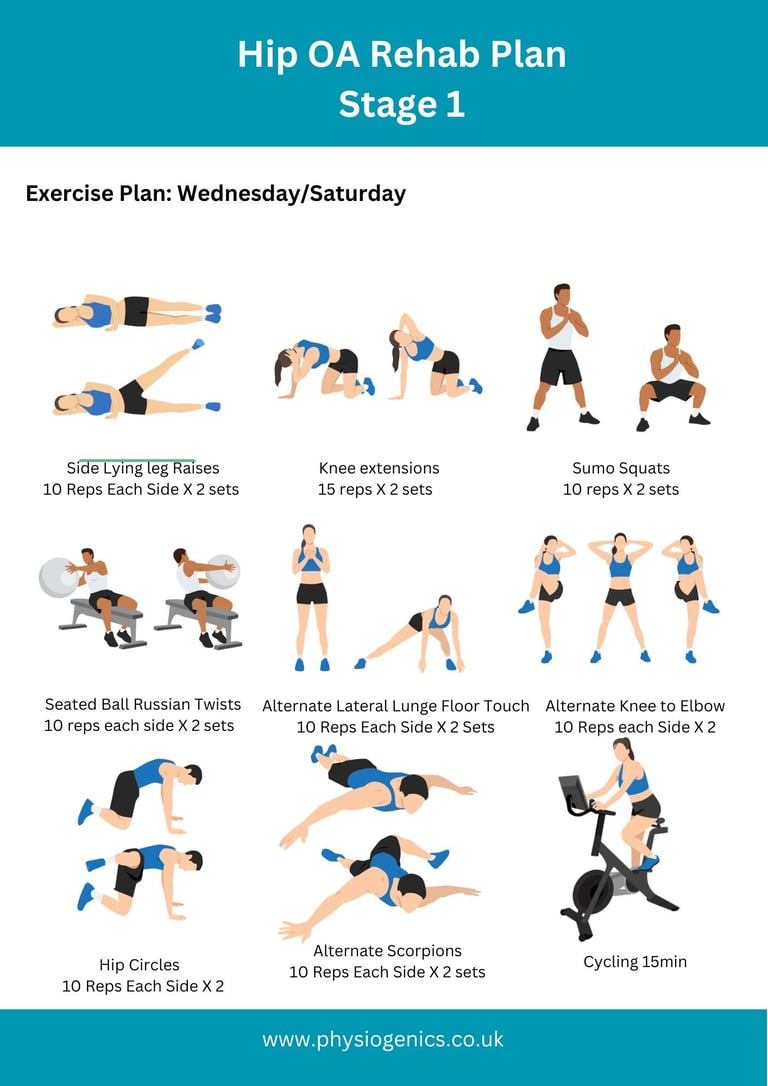
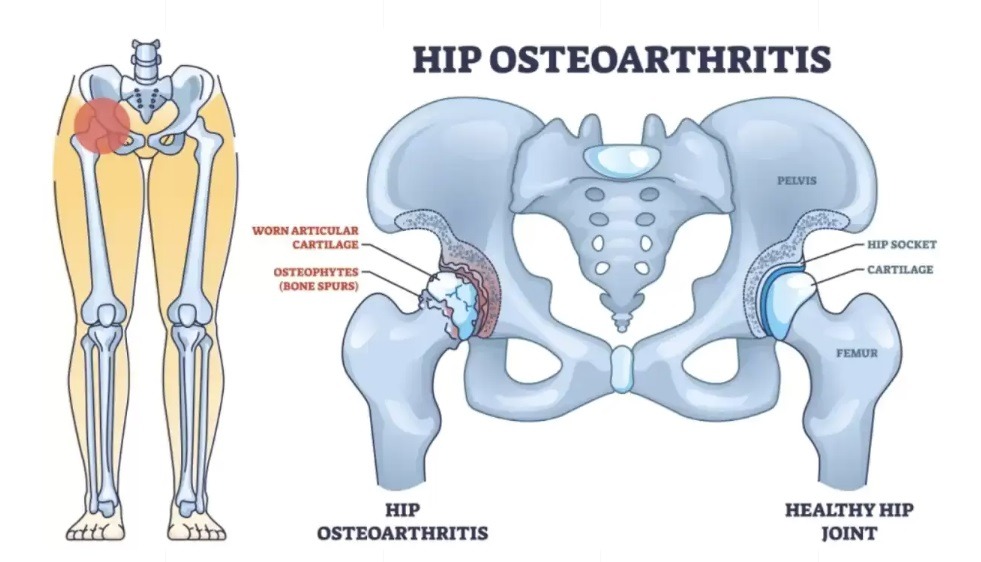
Hip osteoarthritis is a degenerative joint disease causing pain, stiffness, and reduced mobility in the hip by wearing away the protective cartilage that cushions the ball-and-socket joint. It’s managed through a combination of self-care, such as weight management and exercise, and professional treatments like medication or injections, with surgery being an option for severe cases.
Symptoms
Pain:
Deep ache in the groin that can radiate to the thigh, buttock, or knee. It may worsen with activity or at night.
Stiffness:
Particularly noticeable in the morning or after rest, which may improve after an hour or so of movement.
Reduced mobility:
Difficulty with activities like walking, bending, putting on shoes, or getting in and out of a car.
Other sensations:
A “locking” or cracking feeling in the joint is fairly common.
Management
Self-management:
Weight management: Losing weight can significantly reduce the strain on the hip joint.
Exercise: Regular, low-impact aerobic exercises like walking, cycling, or swimming, as well as strengthening exercises, can help manage pain and improve function.
Activity pacing: Avoid sitting for long periods and try to avoid activities that cause excessive pain.
Positioning: Use cushions to raise the height of chairs to make getting up easier. When sleeping, a pillow between the knees while on your side can help maintain a neutral position.
Risk Factors for Hip Arthritis
Age. The older you are, the more likely you have worn out the cartilage in your hip joint.
Excess weight. Being overweight or obese puts additional stress on the hips.
Injury. Severe injury, such as a hip fracture or labral tears, can cause arthritis years later.
Overuse. Jobs and sports that require physically repetitive motions that place stress on the hip can increase risk for developing osteoarthritis.
Gender. Women who are postmenopausal are more likely to develop hip osteoarthritis than men. Rheumatoid arthritis affects women more than men.
Structural or developmental abnormalities. Irregularly shaped bones forming the hip joint, such as with hip dysplasia and impingement, can lead to abnormal stress on the cartilage.
Autoimmune triggers. While the causes of rheumatoid arthritis and psoriatic arthritis remain unknown, triggers of autoimmune diseases are an area of active investigation. For example, infection is believed to be one of the triggers for psoriasis.
Genetics. Certain autoimmune conditions that lead to hip arthritis may run in the family.
Other health conditions. People with diabetes, high cholesterol, hemochromatosis (high levels of iron in the blood) and vitamin D deficiency are more likely to develop osteoarthritis.
Stage 1: Early
Cartilage: Healthy with minimal wear.
Bone spurs: Minor or absent.
Symptoms: Little to no pain or discomfort.
Stage 2: Mild
Cartilage: Begins to wear down, and some fraying occurs.
Bone spurs: May become visible on an X-ray.
Symptoms: Noticeable pain and stiffness, especially after prolonged sitting, standing, or walking.
Stage 3: Moderate
Cartilage: Significant erosion, with the joint space narrowing.
Bone spurs: Increase in size.
Symptoms: Pain, stiffness, and swelling during normal activities like walking. The hip may feel “grindy” and show limitations in range of motion.
Stage 4: Severe
Cartilage: Mostly or completely gone, leading to bone-on-bone contact.
Bone spurs: Can be large.
Symptoms: Persistent and severe pain, significant stiffness, and swelling even at rest. Surgery, such as a total hip replacement, may be necessary.
Rehab:
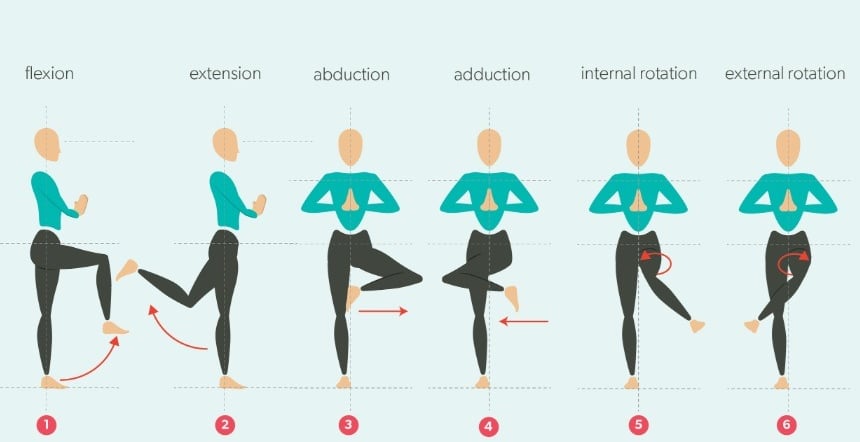
Hip is a 3 dimension joint with Flexion/Extension-Rotation-Abduction/Adduction Movements. Hence the rehab exercise plan should focus on preserving the natural physiological range of movement (ROM) and strengthen primary movers and hip stabilisers.
Hip Osteoarthritis Stage 1 Rehab: Getting Started
Preserve and Prevent. Preserve the natural range of movement and prevent from progression of degeneration