What is Carpal Tunnel Syndrome (CTS)?
Carpal tunnel syndrome is a condition that causes pain, numbness, tingling, and weakness in the hand and wrist. It mainly affects:
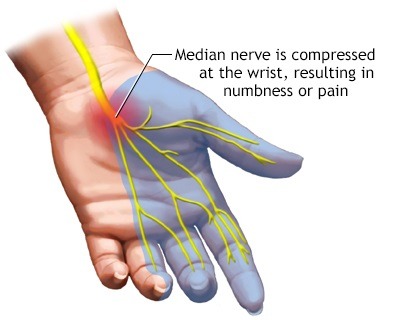
CTS occurs when the median nerve, which runs through a narrow passage in the wrist called the carpal tunnel, becomes compressed or irritated.
The median nerve provides:
When pressure builds up inside the carpal tunnel, the nerve cannot function properly, leading to symptoms.
Common Symptoms of Carpal Tunnel Syndrome
Numbness or tingling in the hand or fingers
Wrist or hand pain
Burning or electric-shock sensations
Weak grip strength
Difficulty holding objects (phone, pen, steering wheel)
Clumsiness with fine movements (buttoning clothes, using keys)
Symptom Pattern
Symptoms usually start gradually
Often worse at night and may wake you from sleep
Over time, symptoms may occur during the day, especially with repetitive activities like typing or tool use
What Does Carpal Tunnel Syndrome Feel Like?
Pins and needles
Fingers feeling “asleep”
A deep ache or burning pain inside the wrist or hand
Relief by shaking the hand
Reduced grip strength or dropping objects unexpectedly
What Causes Carpal Tunnel Syndrome?
CTS is caused by increased pressure on the median nerve within the carpal tunnel.
Common causes include:
Risk Factors for Carpal Tunnel Syndrome
Anyone can develop CTS, but higher risk groups include:
People doing repetitive hand work (typing, hammering, tool use)
Users of vibrating tools (drills, jackhammers)
Pregnant women
Women
Adults over 40
People with a family history of CTS
Medical Conditions That Increase Risk
Rheumatoid arthritis
Gout
Hypothyroidism
Diabetes
Obesity
Amyloidosis